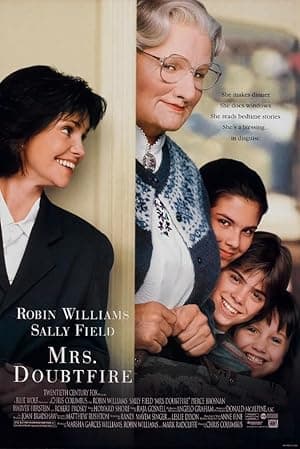
Mrs. Doubtfire
A father who will do anything to be in his kids' lives — even become someone else.
// The setup
PLAYBACK STARTED
Mrs. Doubtfire is the particular kind of family movie that arrives with equal parts absurdity and emotional threat: an out-of-work dad so determined to stay present after a divorce that he invents an entire second life. It’s a Chris Columbus picture built around a single, strange dare — can performance and prosthetics pass for parenthood? — and that tension is what keeps the film interesting long after the laughs land.
THE MOVIE
Daniel Hillard / Euphegenia 'Mrs.' Doubtfire is still the reason this movie works
People still talk about Mrs. Doubtfire because at its centre is a deliriously theatrical idea given real stakes: an out-of-work actor invents an elderly housekeeper so he can keep seeing his children after his marriage collapses. That premise is daft and dangerous in equal measure — perfect fuel for both comedy and pathos.
The film leans on the fact that Daniel is impulsive and obsessed with his kids; his disguise isn’t vanity, it’s desperation. The custody arrangement that follows the divorce is the story’s engine: it turns Dad’s pratfalls into something with consequences.
And it’s not just a bit of quick-change theatre. The transformation into Mrs. Doubtfire is literal, achieved with body suits and facial appliances, which gives the whole thing a physical reality that the movie treats seriously — so much so that the makeup earned the film major awards.
THE SETUP
The idea that sets Mrs. Doubtfire in motion
At its simplest: a divorced dad who used to perform for a living decides to perform his way back into his children’s lives. The film adapts Anne Fine’s novel and translates that single conceit into a string of escalating situations.
Mechanically, the movie depends on Daniel switching identities — him versus the elderly Euphegenia Doubtfire — and on the practicalities that make the ruse possible: a fake résumé, prosthetic makeup and the constant risk of being found out.
That constant near-miss is where the film earns its laughs and its tension. Each close call nudges the story from pure farce toward something with moral weight: how far can you go to be a parent, and who decides when the line has been crossed?
It’s a neat setup because it keeps the stakes personal. Daniel’s circus of improvisations are never just showbiz stunts; they’re attempts to remain part of a real family that no longer fits the life he once led.
THE CHARACTER
Why Daniel Hillard / Euphegenia 'Mrs.' Doubtfire matters
Daniel is the kind of cinematic parent who refuses neat answers. He’s written as theatrical, impulsive and utterly child-focused, which makes him both lovable and alarming: you can see where his sincerity becomes a liability.
Turning Daniel into Mrs. Doubtfire isn’t only a plot trick; it’s a way of testing what parenting looks like when it’s performed. The movie deliberately places him in a new family arrangement, one that sits beside other models — not least his brother Frank and his partner, who help with the disguise and represent a different domestic possibility.
That contrast matters. Miranda is the pragmatic counterpoint whose decision to separate sets the terms of the custody conflict, and the film lets those opposing impulses — stability versus showmanship — play against one another.
So the character is memorable because he’s messy in a recognisable way: a man who will do anything for his children, even if his best intentions sometimes come stamped 'improvised.' The prosthetics that create Mrs. Doubtfire make that mess tangible, turning an emotional gamble into a physical presence on screen.
THE PERFORMANCE
Why Robin Williams's performance matters
Contemporary response singled out how Williams reshaped his voice and physical manner to live inside two very different skins — the impulsive dad and the avuncular housekeeper. That duality is central to the film’s comic engine.
Because Daniel is a performer by trade, the movie asks for more than a mere disguise; it demands that Williams convincingly be two people in the same body, and reviewers at the time noticed that the vocal and physical work carried much of the picture’s humour.
Put simply: the film isn’t just built on a theatrical conceit, it’s built on the idea that someone can perform parenthood. Williams’s transformations are what make that idea watchable rather than purely ridiculous.
UNDER THE SURFACE
Mrs. Doubtfire has more on its mind than the plot suggests
On the surface it’s a high-concept family comedy, but under that umbrella the film is chattering about parenthood and custody — who gets to decide what’s best for children, and how adults change when a family breaks apart.
The performativity of gender and disguise is a running idea, too. Daniel isn’t experimenting with identity for its own sake; the movie uses cross-dressing as a tool to ask whether caring, competence and love can be conveyed through the smallest of gestures.
Responsibility and maturation are threaded through Daniel’s journey. His antics force him into situations where he either grows up or pays the price, and the film treats that movement as part of the comedy rather than separate from it.
Finally, the picture quietly invites a broader definition of family. Non-traditional structures — like Frank and his partner — sit within the film’s world without being a mere punchline, which gives the story more social texture than a straight farce would.
THE FILMMAKING
How Mrs. Doubtfire was put together
This is a Chris Columbus picture through and through: a studio-friendly director working to balance broad set pieces with emotional beats. The film’s construction leans on that mixture — it wants the oddball, messy laughs but also clear family stakes.
Credits matter here: Donald McAlpine handled principal cinematography and Raja Gosnell edited the film, which gives it a polished, mainstream pace. The choices favour clarity — every joke and every close call is staged so the emotional arithmetic of the custody story remains legible.
That clarity helps the film juggle its tonal shifts. When the story needs to be touching, the filmmaking pulls back from the slapstick; when it wants to run full tilt into chaos, the staging is tidy enough that the audience never loses the plot.
All of which is to say: the movie looks and moves like a carefully constructed family comedy, one designed to sell both the laughs and the heartfelt moments without letting either overwhelm the other.
PRACTICAL EFFECTS
The effects work that gives Mrs. Doubtfire its physical personality
The character’s physical reality depends on body suits and prosthetic appliances as much as on costume. That tangible craftsmanship is what allows the joke to read as plausible within the film’s world.
Greg Cannom is credited as the special makeup designer, and the makeup team’s work was formally recognised by the industry. Making a single performer look like an elderly woman — repeatedly and under close-ups — is a technical feat the movie leans on at every turn.
Because the disguise is physical rather than purely cinematic trickery, the practical effects keep the film honest: the audience is asked to accept the premise without being rung out by obvious fakery.
Those choices make the movie’s big moments — the near-discoveries and the wardrobe switches — feel grounded in real craft rather than sleight of hand.
PURE 80S
Mrs. Doubtfire could not belong to any other decade
Released in late 1993 during the Thanksgiving family window, Mrs. Doubtfire fits the early-1990s studio pattern of starring-name family comedies that mix sentimental themes with broad set pieces designed for a wide audience.
That era liked its pictures to be anchored by a recognisable performer and a clear emotional hook — the sort of movie that could be enjoyed by kids and adults for different reasons. Mrs. Doubtfire’s blend of chaos and heart sits squarely in that commercial logic.
The screenplay’s route from Anne Fine’s novel to the screen via Randi Mayem Singer and Leslie Dixon also reflects a decade when studios mined literary material for accessible, family-friendly adaptations.
So while the film’s jokes and structure are of its moment, they’re exactly the moment the movie was trying to be: a star-driven comedy with real domestic stakes aimed at the holiday crowd.
WATCHING IT NOW
What has aged — and what hasn't
Modern viewers tend to split the film into two parts when they revisit it: the sincere family drama at the core, and the comic conventions that now sit differently in the light of contemporary conversations about gender and representation.
People often re-evaluate the cross-dressing premise and the way queer characters appear on screen; the film’s inclusion of a same-sex couple is a notable detail that figures into later discussions about visibility and how family is represented.
At the same time, the central family questions — What does it take to be a present parent? How do adults change after separation? — remain relatable, which is why the emotional beats still land for many viewers.
So parts of the movie feel of their time, but the human problem it stages is still recognisable: a parent trying, messy and theatrical, to stay in his children’s lives.
THE LEGACY
Why Mrs. Doubtfire still matters
Part of the film’s afterlife comes from its craft: the makeup team’s achievement was formally recognised with an Academy Award, which underlines how central the physical transformation was to the picture’s identity.
It also collected industry recognition as a broadly appealing comedy, winning a Golden Globe in the Musical or Comedy category, a reminder that it was created and promoted as mainstream family entertainment.
Beyond trophies, the story’s characters and premise have kept circulating: the idea of a parent adopting a new persona to stay close to their children has been adapted for stage and musical versions, and the film continues to be a reference point when people talk about cross-dressing comedy and family films.
THE VERDICT
Does Mrs. Doubtfire still hold up?
Yes — mostly. The film’s central conceit remains an effective dramatic engine: a father who will stage an elaborate deception to remain part of his kids’ lives is both funny and fraught, and that tension carries the picture.
Two big set-pieces — the social-worker/home-visit sequence and the restaurant climax where Daniel alternates personae — still demonstrate the movie’s comic rhythm and its willingness to push farce into territory that feels consequential rather than throwaway.
What makes it worth watching now is the emotional core: the three Hillard children are placed so clearly at the centre that their responses provide a yardstick for the plan’s success. If the film’s comic conventions show their age, the questions it asks about responsibility and family still work.
So, watch it. Watch it with the sense that some jokes will read differently today, but that the film’s strange blend of theatricality and parental devotion — underpinned by real prosthetic craft and a clear custody dilemma — keeps it interesting and often moving.
Share this movie
// Keep watching
More movies from the 90s
If Mrs. Doubtfire is your kind of movie, there's plenty more on the shelves worth rewinding.
1993 // VHS
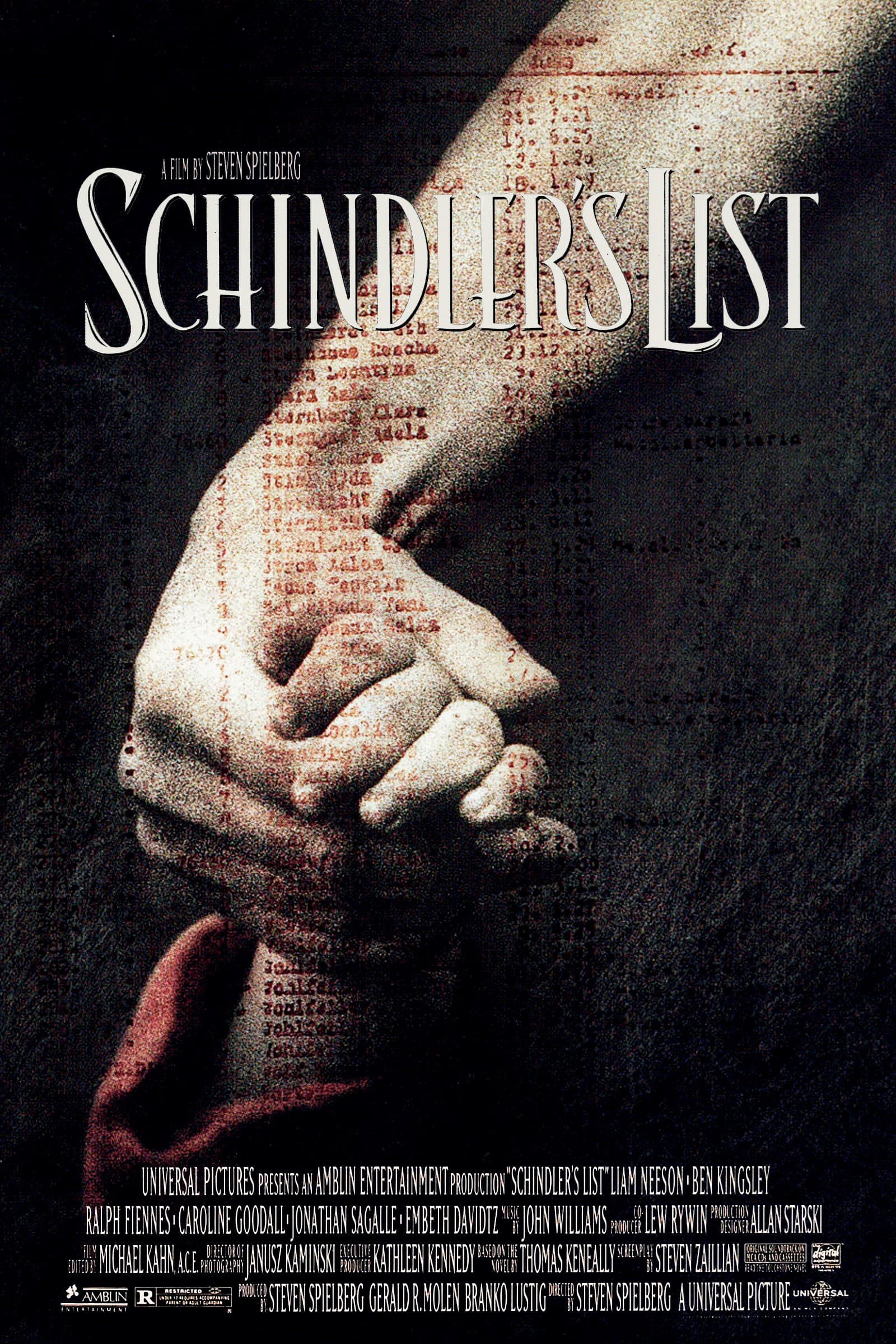
Schindler's List
A businessman who keeps a list — and keeps changing the kind of man he is.
1999 // VHS
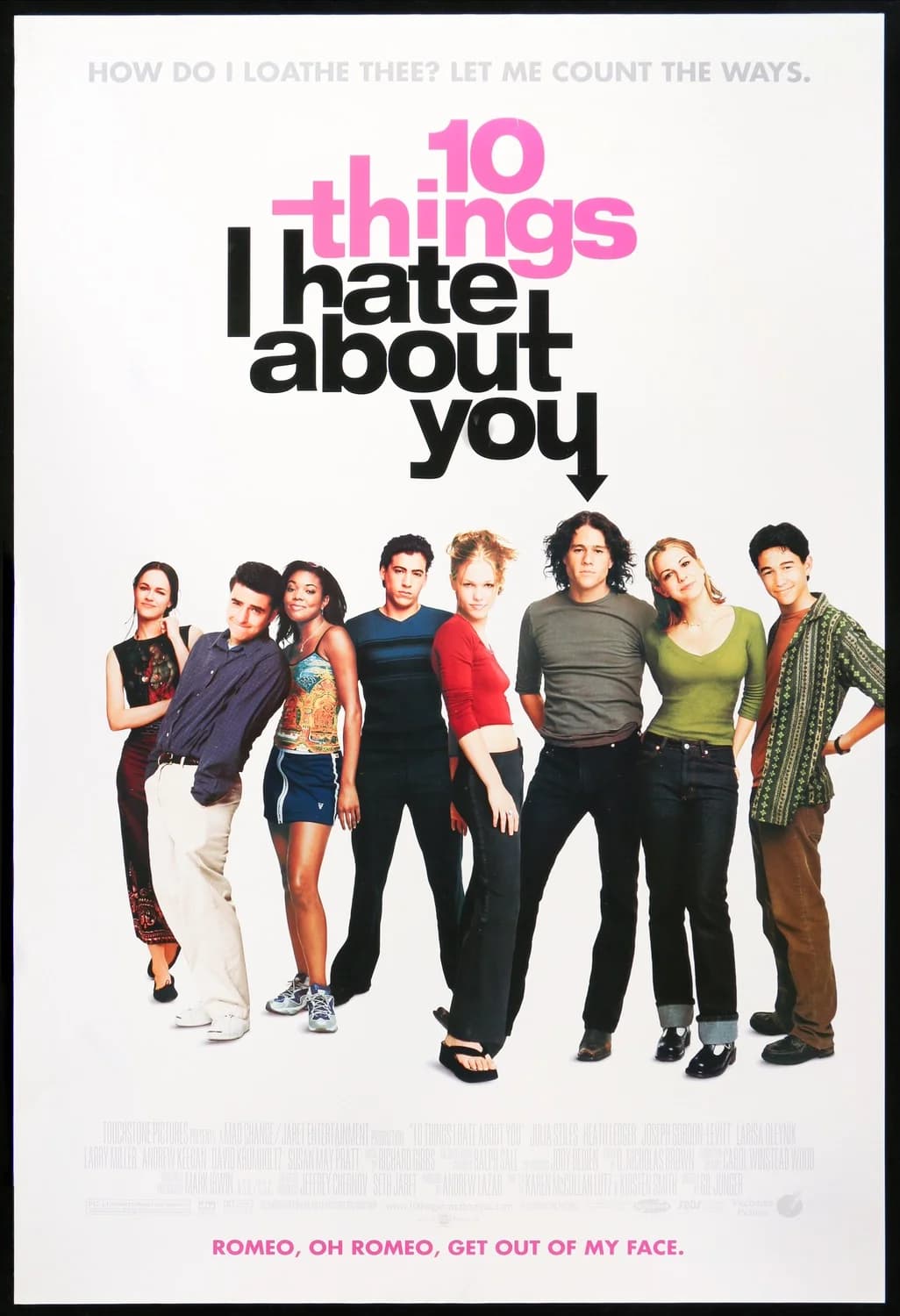
10 Things I Hate About You
Sibling rules, a rooftop serenade and one very stubborn Kat — Shakespeare in a school corridor.
1999 // VHS
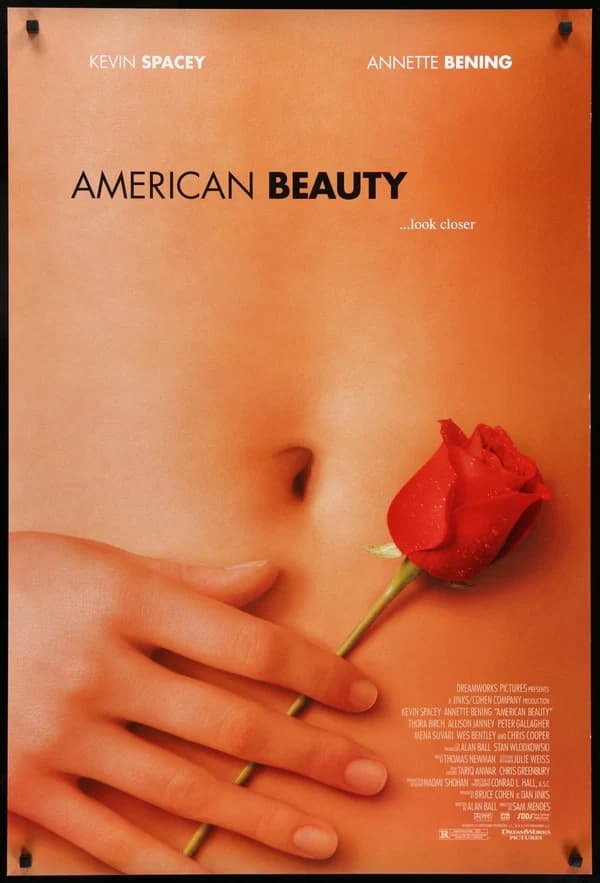
American Beauty
Lester Burnham, suburban rot and a midlife argument that still stings.