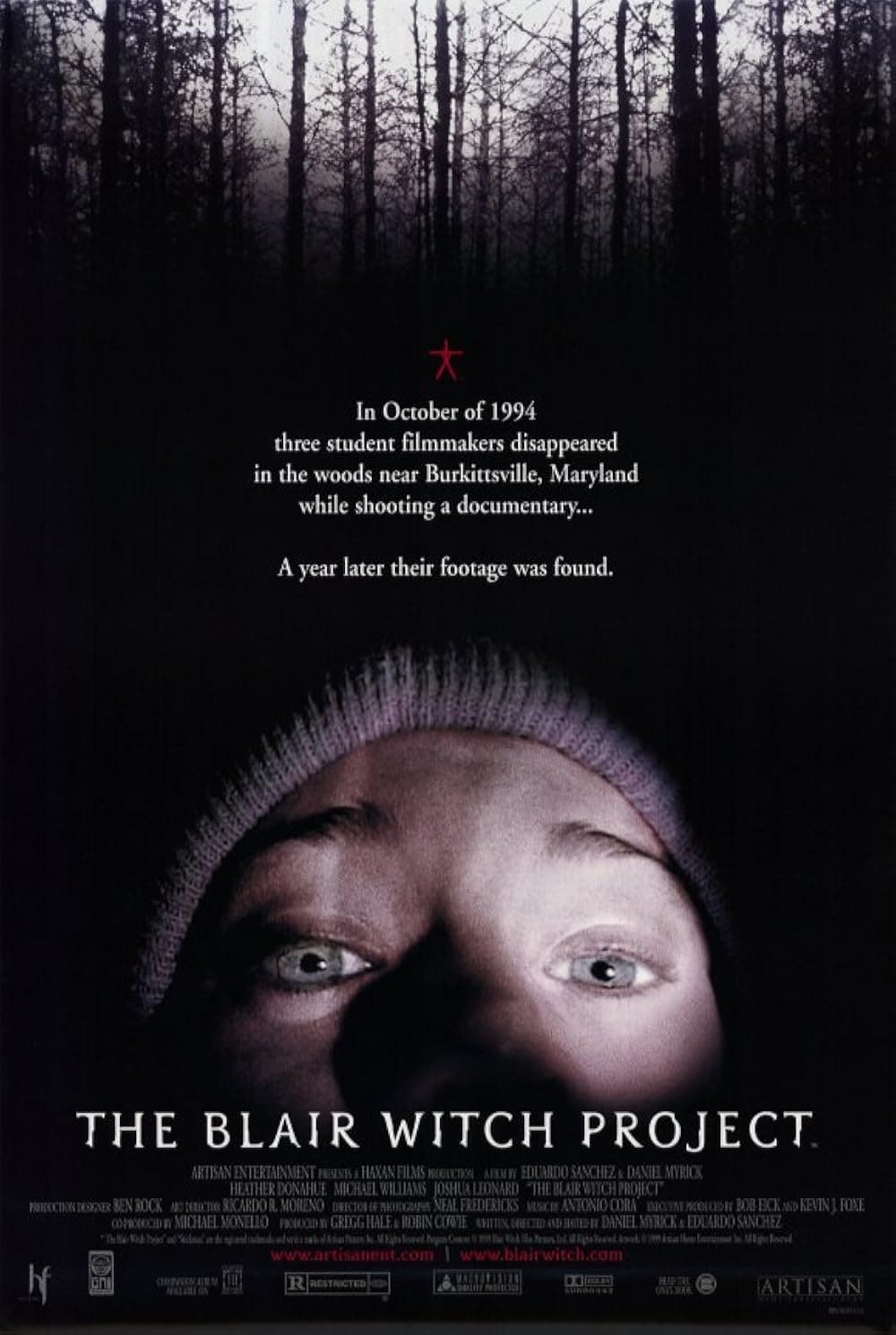
The Blair Witch Project
A small camera. Three students. An acheingly persuasive unknown.
// The setup
PLAYBACK STARTED
There are films you remember for a jump scare and films you remember because they changed the rules of how scares arrive. The Blair Witch Project is the latter: a stitched‑together 'documentary' of hand‑held footage and town interviews that made the absence of answers its biggest weapon. At the centre of all that uncertainty is Heather — the person who keeps filming when everything else is falling apart.
THE MOVIE
Heather (uses her own name in the film) is still the reason this movie works
People still talk about The Blair Witch Project because it makes ordinary choices feel extraordinary. It presents itself as the surviving found footage shot by three student filmmakers who vanish while making a documentary about a local legend, and then trusts that set‑up to do the heavy lifting.
That trust is literal: the movie is an assemblage of hand‑held video and intercut interview material edited into a single diegetic documentary. The wobble of the camera, the patchwork rhythm of the cut, the way the interview segments sit beside the footage — all of it pulls you into something that’s pretending, very successfully, to be real.
And within that frame the detail that matters most is simple and human: the three leads use their real first names. Heather, Josh and Mike feel like people you might meet, not characters nailed to a screenplay. When the group frays under the pressure of fear and uncertainty, that familiarity makes everything they experience feel closer — and nastier.
THE CHARACTER
Why Heather (uses her own name in the film) matters
Heather is the person the film keeps returning to — the one who carries the idea of the documentary as well as the camera. The movie credits Heather Donahue (Rei Hance) as Heather, and that decision to use real first names runs through the film’s design.
Using the actors' real names blurs the line between performance and reportage. Heather is both the filmmaker and the record keeper; naming her after the actor tightens that fuse and makes the footage feel like a thing that could plausibly exist outside the cinema.
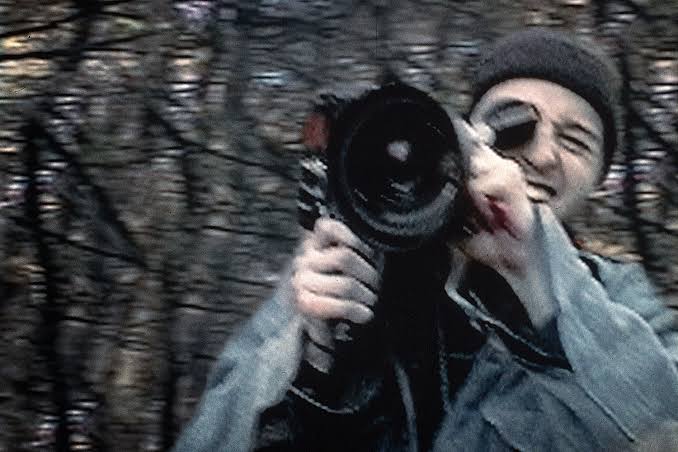
That closeness isn’t a gimmick. It’s a structural choice that makes every exhausted shot, every muffled conversation and every camera‑held silence register as a real attempt to understand what’s happening, not an actor doing a scene.
So Heather matters because she’s the film’s constant: where the camera goes, the story follows. She is the axis of plausibility in a movie that asks you to accept almost nothing else.
UNDER THE SURFACE
The Blair Witch Project has more on its mind than the plot suggests
On the surface the film tracks three students filming a local myth. Underneath, it’s quietly preoccupied with the fear of the unknown and the way that fear eats at group cohesion. As the woods refuse to make sense, the crew’s relationships strain and fray.
Isolation and psychological breakdown are not just incidental beats; they’re the engine. The film puts the characters somewhere that provides almost nothing in the way of answers, and then watches what happens when frustration, exhaustion and doubt set in.
Documentary verisimilitude amplifies those pressures. Because the film is built like a documentary, questions about what’s authentic — and what media does to truth — creep into the audience’s mind. Is the camera recording reality, or making a reality out of what it sees?
That overlap — fear, isolation and a documentary frame that insists on plausibility — is where the film’s unease lingers. It doesn’t only scare by showing something; it scares by refusing to supply the satisfaction of explanation.
THE FILMMAKING
How The Blair Witch Project was put together
One of the clever things about the movie is how straightforward its construction is. Cinematographer Neal Fredericks oversaw camera work and the production deliberately mixed professional 16mm and consumer Hi8 videotape formats. That contrast helps the film feel layered and, importantly, uneven in a believable way.
The directors didn’t hand the actors a finished script. Myrick and Sánchez developed a 35‑page outline and then relied on improvisation for on‑camera dialogue. The result is conversational, sometimes halting, often oddly convincing because it’s not trying to be showy.
And the filmmakers leaned on off‑camera provocation as part of the toolkit: staged disturbances, tent‑shaking, sleep deprivation and disorientation were used to elicit unrehearsed responses from the actors. Those methods are awkward at times, but they push the footage toward a rawer, less polished feeling that the movie needs.
Put together, the technical approach and the production methods aren’t tricks so much as a disciplined effort to keep the film looking like the document it pretends to be.
PRACTICAL EFFECTS
The effects work that gives The Blair Witch Project its physical personality
This is a film that relies on the body and the environment rather than monsters on screen. The production deliberately provoked the actors off camera — with sleep deprivation and tent‑shaking among the tactics — to generate unauthorised, urgent reactions.
Those tactics are complemented by simple physical props and arranged markers in the woods. The film uses piles of sticks and other small, staged visual cues rather than showing a supernatural creature, which keeps the threat ambiguous and mobile.
The net effect is tactile: the scares feel like things the characters encounter in their immediate space, not effects glued on in post‑production.
That choice — to make the woods itself the source of unsettlement — helps the film preserve a feeling of unpredictability throughout its short running time.
PURE 80S
The Blair Witch Project could not belong to any other decade
The Blair Witch Project is very much a late‑1990s creature: a low‑budget independent film that found a new life through an internet‑amplified release strategy. The movie’s coordinated web presence and mock‑documentary materials are an early example of what would later be called viral marketing.
Its production approach — a short field shoot, low budget and improvisation — fits neatly into 1990s indie filmmaking trends. But the difference was how those production choices were amplified online, turning a modest film into something you couldn’t ignore.
So while the woods and the story feel timelessly claustrophobic, the film’s afterlife is distinctly of its moment: smart production choices meeting the rising power of the web.
That combination is what ties the film to 1999 in a meaningful way, rather than just a superficial period flavour.
WATCHING IT NOW
What has aged — and what hasn't
Many discussions of the film focus on how it uses sound, editing and the behaviour on camera to provoke fear rather than relying on explicit on‑screen effects. That remains instructive: the film still shows how suggestion and editing can do more than a visible monster in certain contexts.
The central idea — fear of the unknown — is stubbornly durable. Humans still fear what can’t be named, and the movie stages that fear with patient escalation rather than setpiece horror.
What feels more of its time is the marketing and the novelty of the found‑footage conceit; as audiences have since seen dozens of imitators, the shock of the format’s realism has less punch.
But the mechanics the film teaches — how to sustain dread through sound, disorientation and increasingly unreliable frames — remain a useful blueprint for found‑footage horror today.
THE LEGACY
Why The Blair Witch Project still matters
Two of the clearest reasons the film hasn’t been forgotten are practical. It launched a media franchise that produced an official theatrical sequel in 2000 and later entries, keeping the Blair Witch name in circulation beyond the single film.
The other reason is methodological: the film is frequently credited in scholarship and industry analysis as a turning point for viral, online film marketing and for popularising the modern found‑footage subgenre.
Between the franchise and the way the film changed how low‑budget projects could be promoted and perceived, The Blair Witch Project left a mark on how movies are sold and how a particular style of horror is made.
That legacy has nothing to do with mystique and everything to do with a successful combination of production, presentation and timing.
THE VERDICT
Does The Blair Witch Project still hold up?
Yes — but with a health warning. The film is presented as the surviving found footage shot by three student filmmakers who vanish while making a documentary about a local legend, and that premise still works because the movie commits to the conceit from start to finish.
Its identity is an assemblage of hand‑held video, Super‑8 and interview material edited into a single diegetic documentary. That editing choice keeps the audience unsteady in the way the characters are unsteady, and the short field shoot plus later shaping into an 81‑minute feature gives the film a lean, focused shape.
Production methods matter here: the project was built from a 35‑page outline with actors improvising dialogue and following daily written instructions in the woods during an eight‑day field shoot. The filmmakers also used staged off‑camera disturbances and disorientation to escalate tension rather than showing a supernatural figure directly. Those decisions keep the threat uncanny and often offscreen, which is the film’s main source of dread.
If you’re prepared for a film that favours suggestion over spectacle and patience over constant payoff, it still delivers. Watch it for Heather and for how the camera becomes a stubborn witness — sometimes the last thing standing between explanation and nothing at all.
// Featured in
More about The Blair Witch Project
Share this movie
// Keep watching
More movies from the 90s
If The Blair Witch Project is your kind of movie, there's plenty more on the shelves worth rewinding.
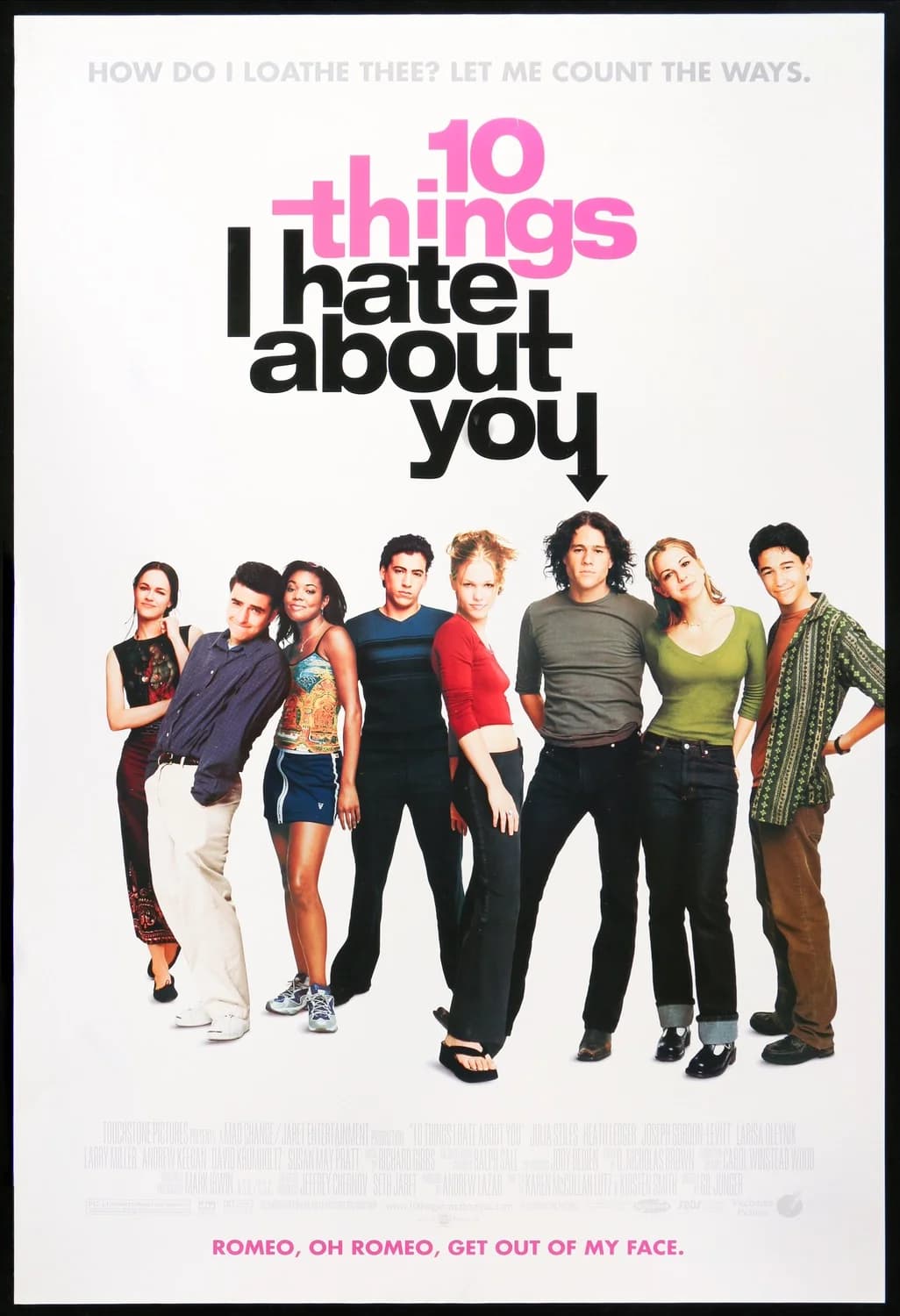
1999 // VHS
10 Things I Hate About You
Sibling rules, a rooftop serenade and one very stubborn Kat — Shakespeare in a school corridor.
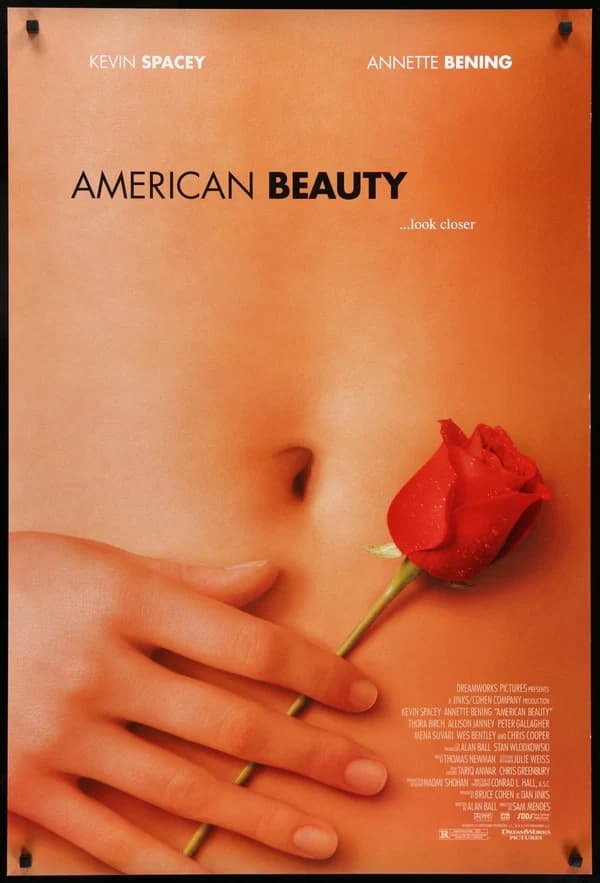
1999 // VHS
American Beauty
Lester Burnham, suburban rot and a midlife argument that still stings.
1999 // VHS
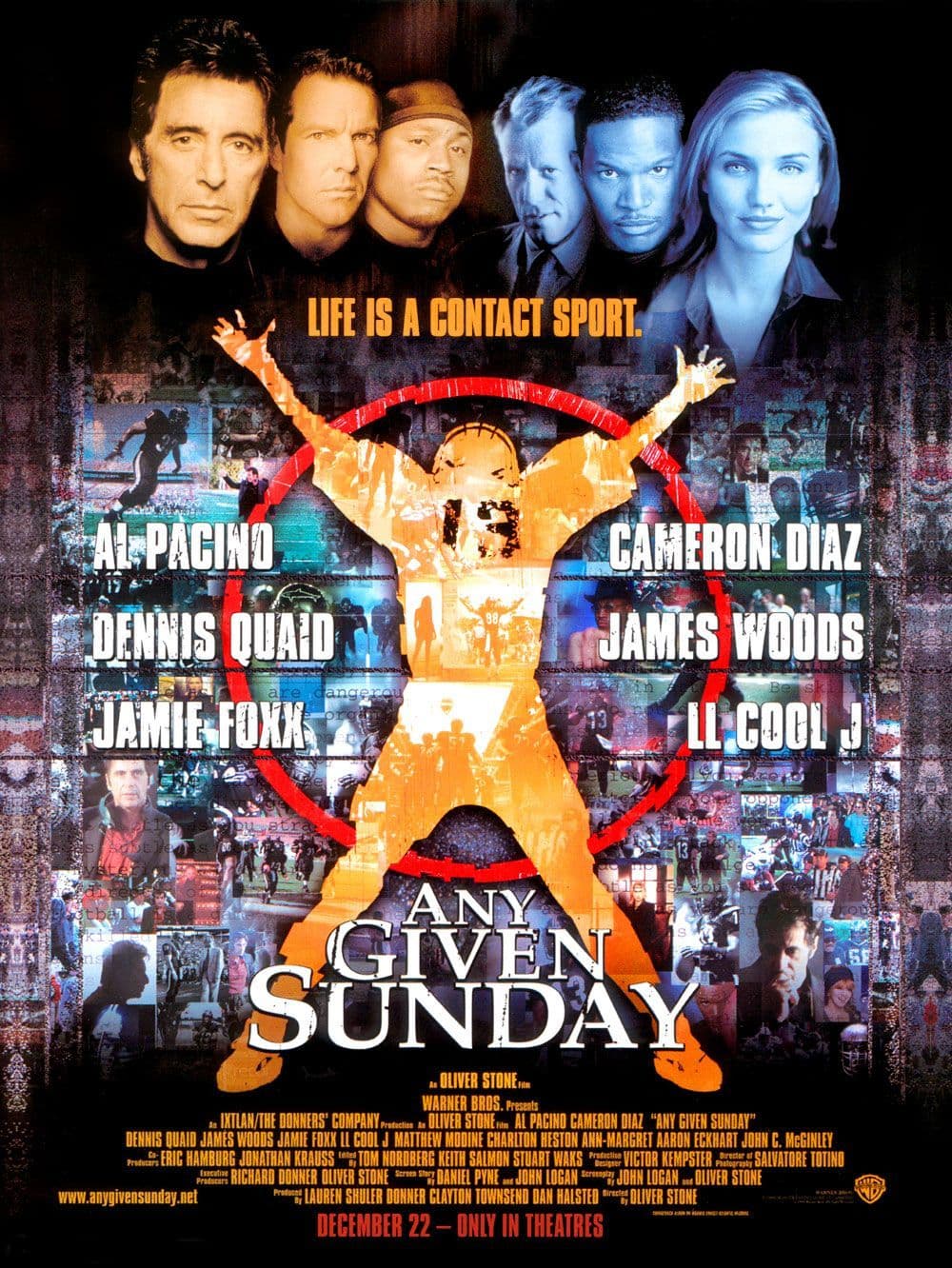
Any Given Sunday
Al Pacino's coach anchors the chaos of a film about football turned into product — loud, messy and oddly persuasive.