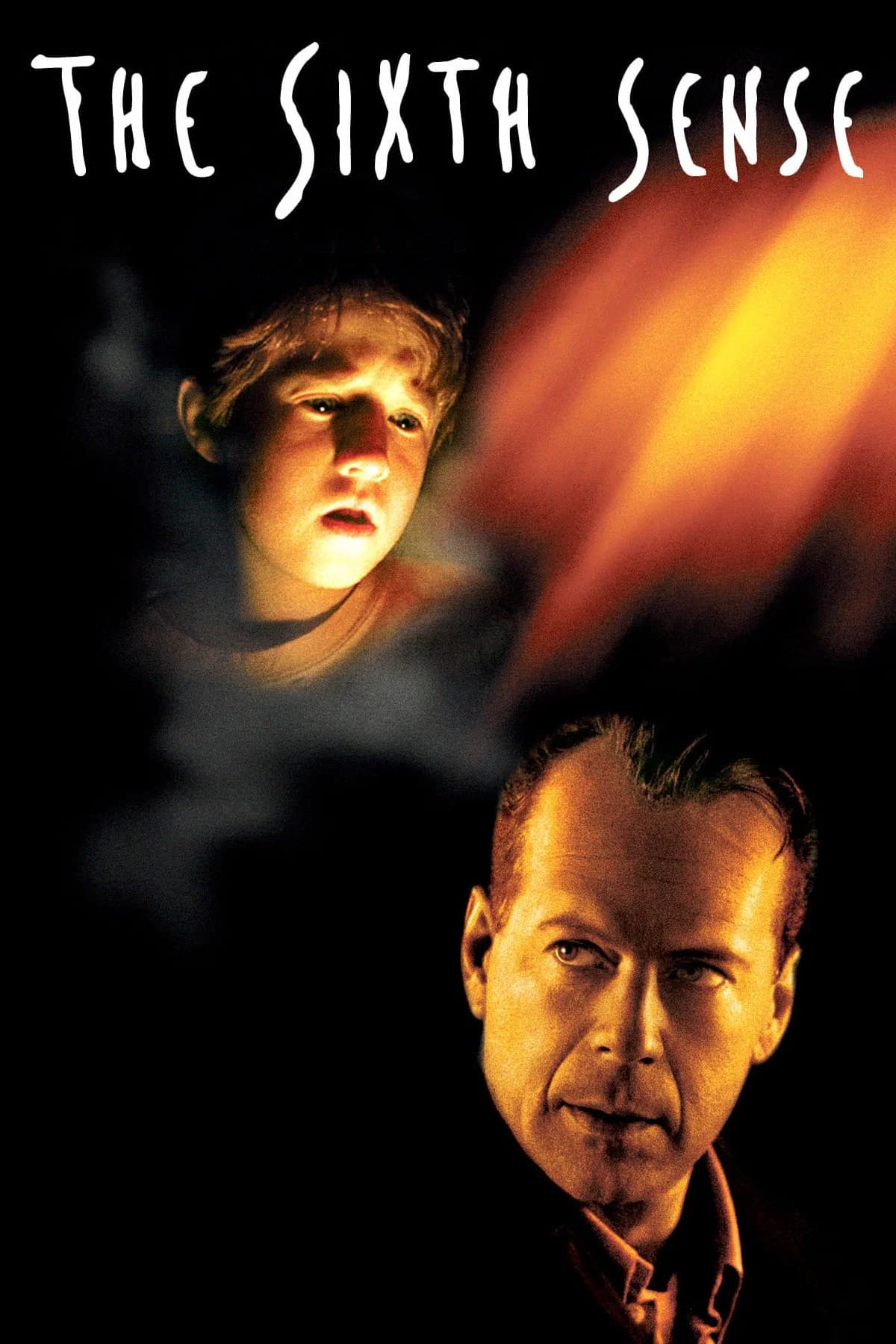
The Sixth Sense
Redemption, ghosts and the quiet power of not being heard.
// The setup
PLAYBACK STARTED
The Sixth Sense is the kind of film that keeps squeezing its little twist long after you think it’s done. At its centre is Malcolm Crowe — a child psychologist who walks into a gunshot, and then spends the rest of the movie trying to put himself back together by helping a boy who can see dead people. It’s a compact, shrewdly written mystery from M. Night Shyamalan that trades big shocks for a stubbornly human obsession: one man’s need to make amends.
THE MOVIE
Malcolm Crowe is still the reason this movie works
The opening punch is literal: Malcolm Crowe is shot in his own home by a resentful former patient. That moment isn’t just an action beat; it’s the moral scar that colours everything Malcolm does afterwards.
Months later Malcolm begins treating nine-year-old Cole Sear, who claims to see dead people. Their relationship — the professional impulse tangled with something like personal penance — is what turns a ghost story into a private reckoning about failure and atonement.
M. Night Shyamalan’s film runs a tidy 107 minutes and keeps its focus tight. Around those two figures the movie builds a kind of quiet pressure: mystery and genre trappings wrapped around themes of grief, isolation and the desperate business of trying to protect a child.
THE SETUP
The idea that sets The Sixth Sense in motion
At its simplest: Cole sees dead people, and that vision drags him through fear and loneliness. Malcolm, already bruised by his own failure, takes him on because he can’t leave things unresolved.
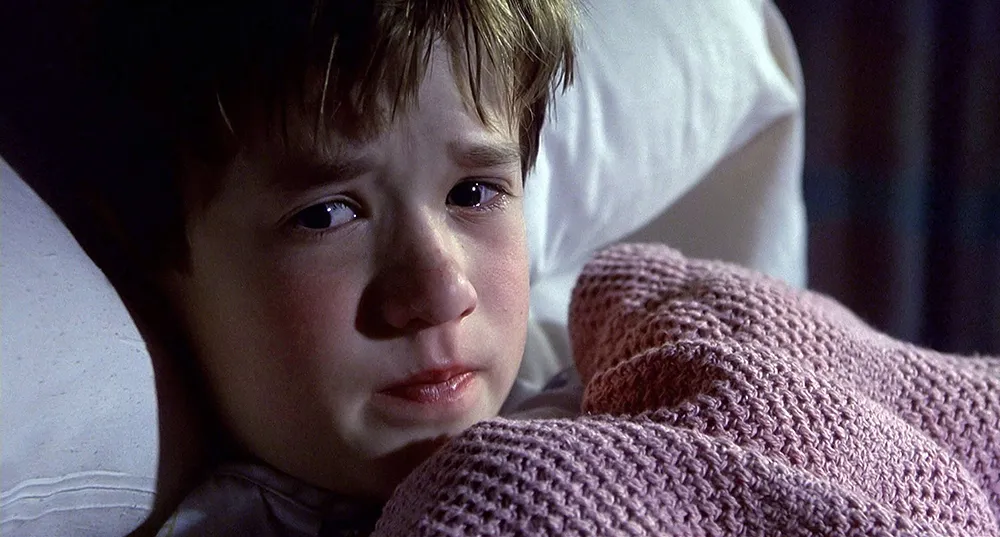
That combination — a child coping with terrifying visions and an adult desperate to repair a life he thinks he ruined — gives the film a clear, human centre. The supernatural incidents are dangerous, sure, but they also become clues about the living people connected to those ghosts.
So the film’s momentum comes from two linked investigations: helping Cole survive what he sees, and using what he knows to put right other unfinished business. It keeps the stakes domestic and immediate, which is why the scares often land as emotional jolts rather than spectacle.
The set-up works because it ties the mystery to character need. The ghosts matter because they force the main characters to speak, to act and, occasionally, to forgive.
THE CHARACTER
Why Malcolm Crowe matters
Malcolm Crowe isn’t just the adult lead; he’s the film’s emotional compass. He arrives already wounded — a once-successful child psychologist who’s been shot and who now finds himself estranged from his wife and from his professional pride.
That estrangement is critical. The shooting frames Malcolm’s work with Cole as more than therapy: it’s a personal mission to atone for perceived failure. Everything he does with Cole is loaded with that need to make good.
Anna Crowe’s presence in the story keeps Malcolm tethered to the consequences of his choices. The couple’s history and the distance between them make his attempts to reconnect and to help feel pressing, not merely plot-driven.
Put simply: Malcolm matters because the film turns what could have been a supporting puzzle into a very human search for repair.
UNDER THE SURFACE
The Sixth Sense has more on its mind than the plot suggests
Beneath the twisty surface, the film is chiefly concerned with redemption. Malcolm’s work with Cole is less a clinical case study than an attempt to atone for a failure that still stings.
Grief and unfinished business are folded into the ghostly occurrences. The apparitions the boy describes read less like random haunts and more like unmet needs — people with things left unsaid who won’t let the living move on.
Isolation runs through the characters’ lives: they’re cut off from one another, and the story keeps pushing them toward new ways of speaking and listening. It’s a horror film that treats communication as its clearest battleground.
And that ties into perception versus reality. What characters believe about themselves and each other is constantly at odds with the facts they slowly uncover, which is where the film gets its quiet moral force.
PURE 80S
The Sixth Sense could not belong to any other decade
Released in 1999, the film arrived at the tail end of a decade that loved mixing genre lines — and it benefited from that moment. It was one of the highest-grossing worldwide releases of 1999 and found a place in conversations about supernatural and psychological horror at the turn of the century.
Contemporary coverage grouped it with a late-1990s/early-2000s batch of restrained ghost stories that favoured family stakes and surprise-driven narratives. That cultural moment helped the film feel both of its time and a neat closing note on a particular strand of mainstream horror.
Because it sits where mainstream drama, mystery and genre overlap, The Sixth Sense exemplifies a late-1990s appetite for emotional, twist-led storytelling rather than naked shock for its own sake.
In short: it was perfectly timed — commercially and artistically — to land on audiences ready for a ghost story that behaved a little like a domestic drama.
THE LEGACY
Why The Sixth Sense still matters
The film’s awards recognition makes its seriousness plain: it received six Academy Award nominations at the 2000 ceremony, including Best Picture and Best Director. That level of recognition helped shift how mainstream audiences regarded psychological horror.
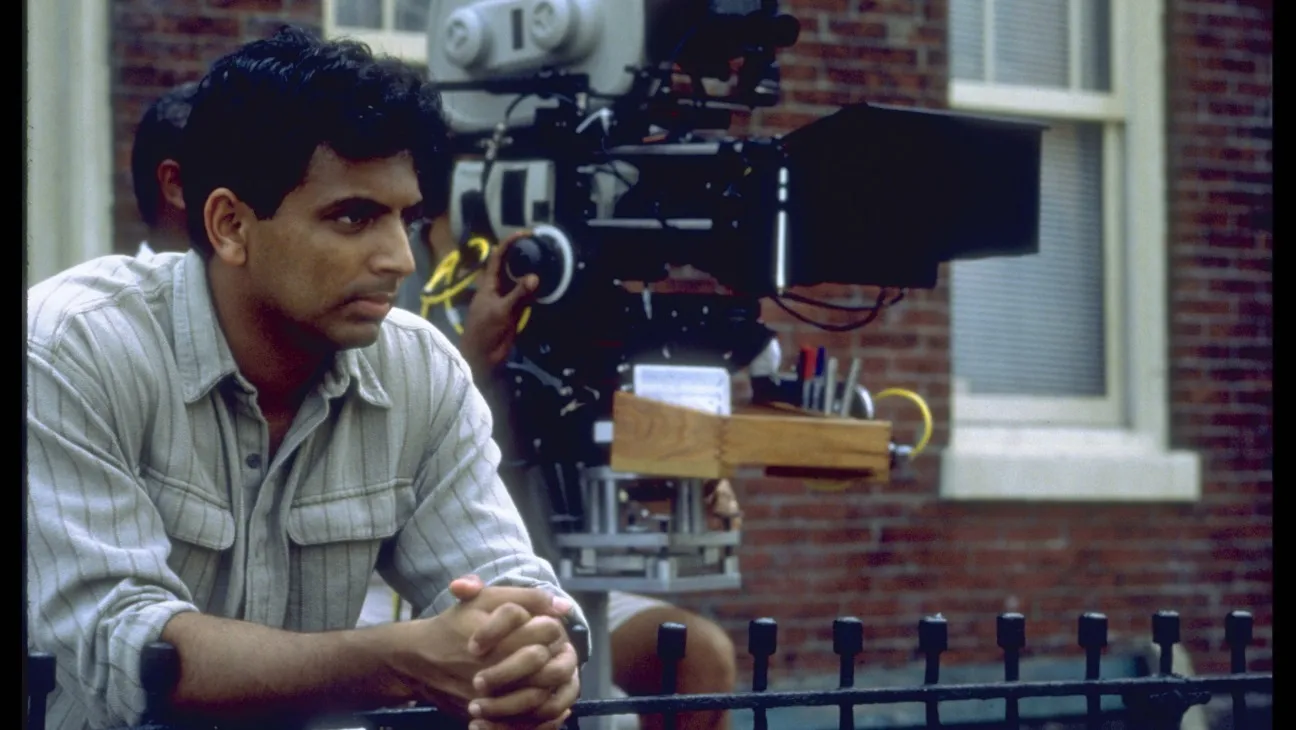
Its box-office success established M. Night Shyamalan as a commercially viable storyteller and opened the door to bigger studio collaborations and higher-profile follow-ups. For a director who had been relatively quiet on the big stage, that mattered.
Finally, a single line from the film became a cultural touchstone and was later included on AFI’s list of memorable movie quotes — the sort of thing that keeps a movie in the public conversation even decades on.
All of which explains why people still cite the film: it managed to be commercially successful, taken seriously by awards bodies, and to produce at least one moment that lodged in popular memory.
THE VERDICT
Does The Sixth Sense still hold up?
Yes — because at its heart The Sixth Sense is a tight story about two damaged people who need each other. The film’s inciting incident (Malcolm being shot) frames his work with Cole as a quest for redemption, and that emotional through-line keeps the plot’s mechanics grounded.
The central conflict — Cole’s struggle with terrifying visions and Malcolm’s attempt to help while wrestling with his own isolation — remains compelling. The recurring mechanic of Cole’s eyewitness knowledge also gives the story a sensible engine: the boy’s visions do plot work beyond cheap scares, forcing interventions that matter to the living.
The screenplay deliberately doles out information, shaping the mystery toward a twist-driven climax. That structuring is part of the film’s pleasure: it rewards patient viewers without turning itself into a puzzle-box for its own sake.
If you’re deciding whether to watch it now, consider this: it’s a well-made, emotionally clear thriller from 1999 that balances genre and drama. Malcolm Crowe’s need to make amends, Cole’s unbearable burden, and the way the story ties both to family and protection still give the film enough reason to be watched.
// Featured in
More about The Sixth Sense
Share this movie
// Keep watching
More movies from the 90s
If The Sixth Sense is your kind of movie, there's plenty more on the shelves worth rewinding.
1999 // VHS
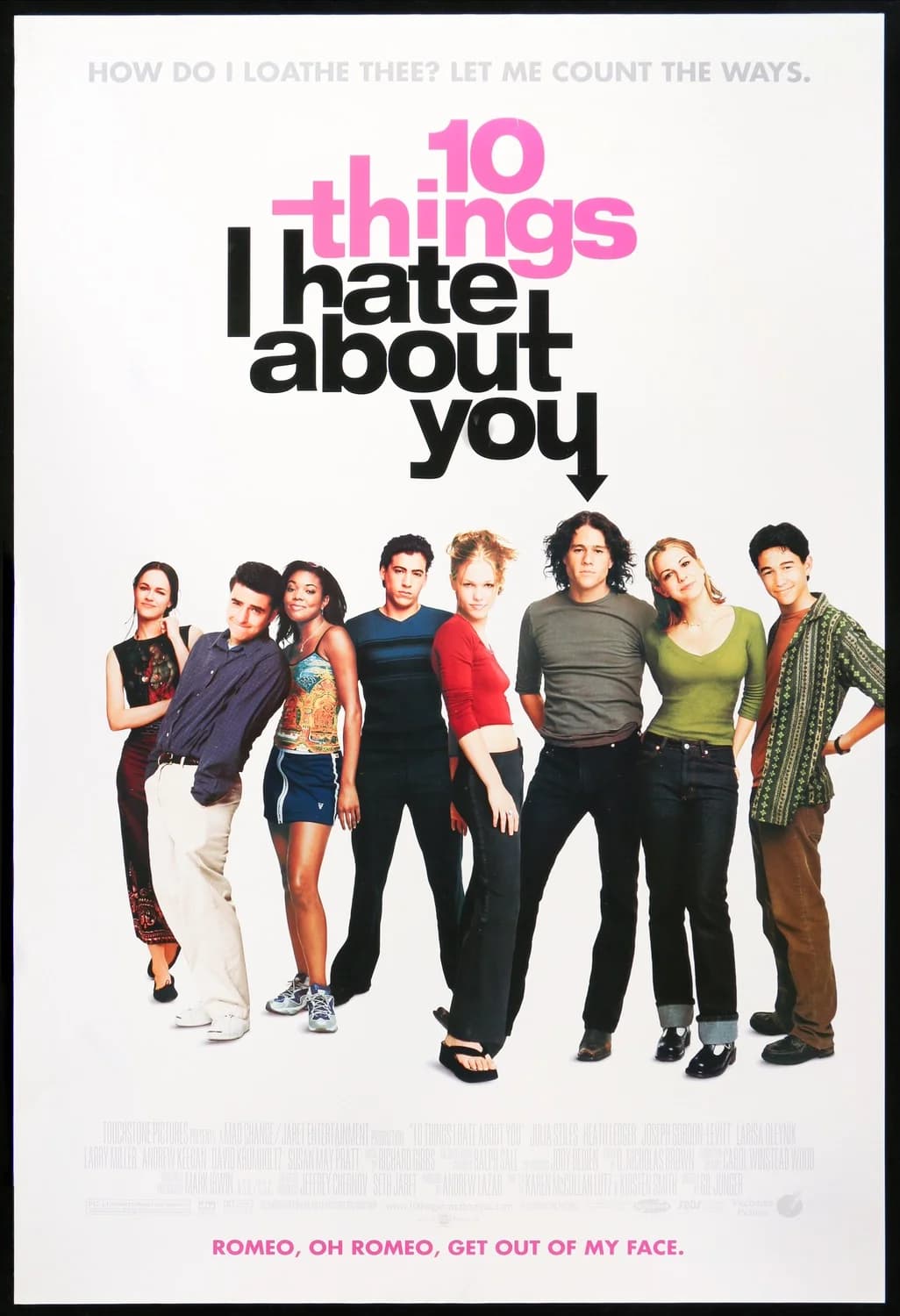
10 Things I Hate About You
Sibling rules, a rooftop serenade and one very stubborn Kat — Shakespeare in a school corridor.

1999 // VHS
American Beauty
Lester Burnham, suburban rot and a midlife argument that still stings.
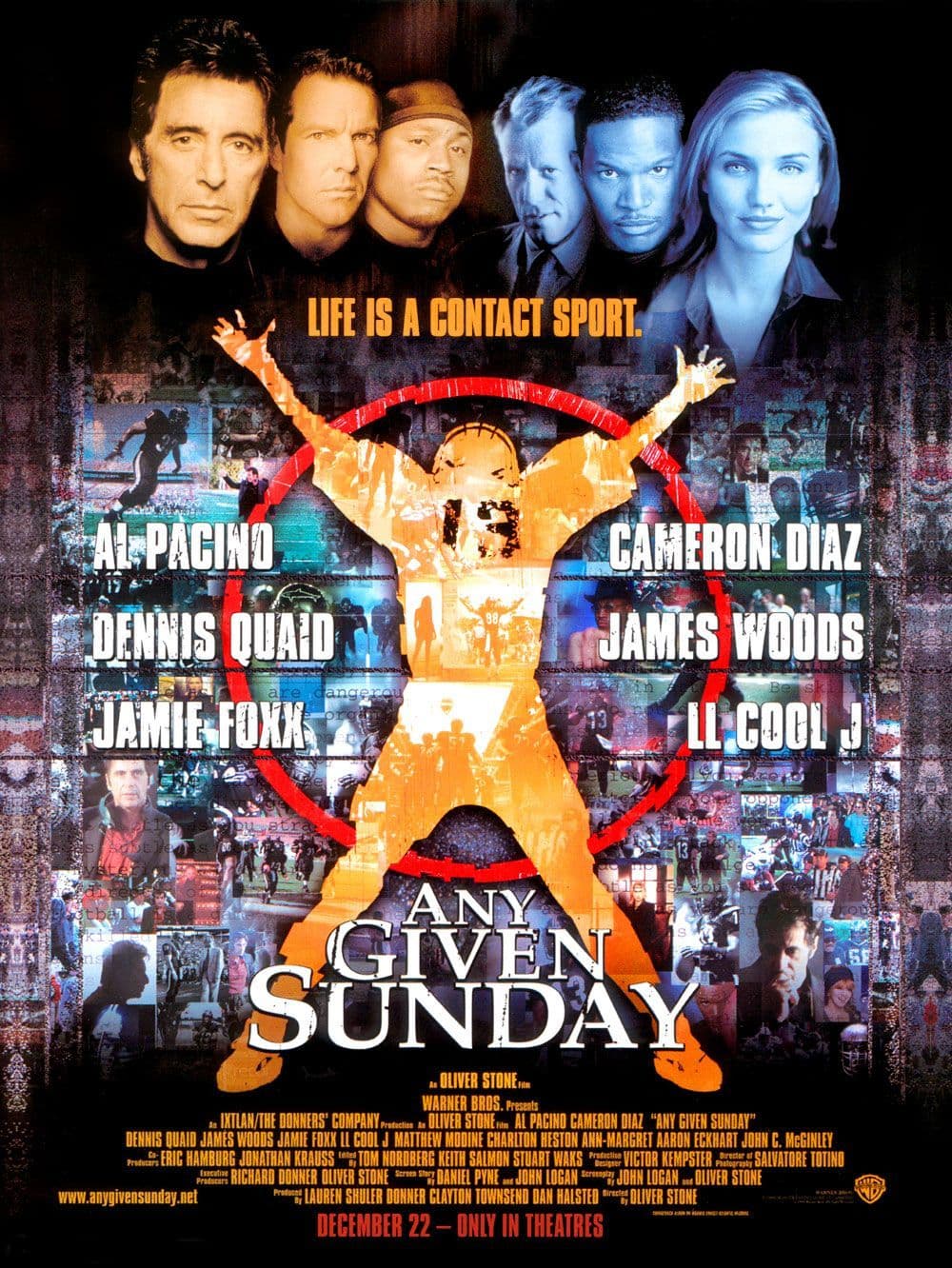
1999 // VHS
Any Given Sunday
Al Pacino's coach anchors the chaos of a film about football turned into product — loud, messy and oddly persuasive.