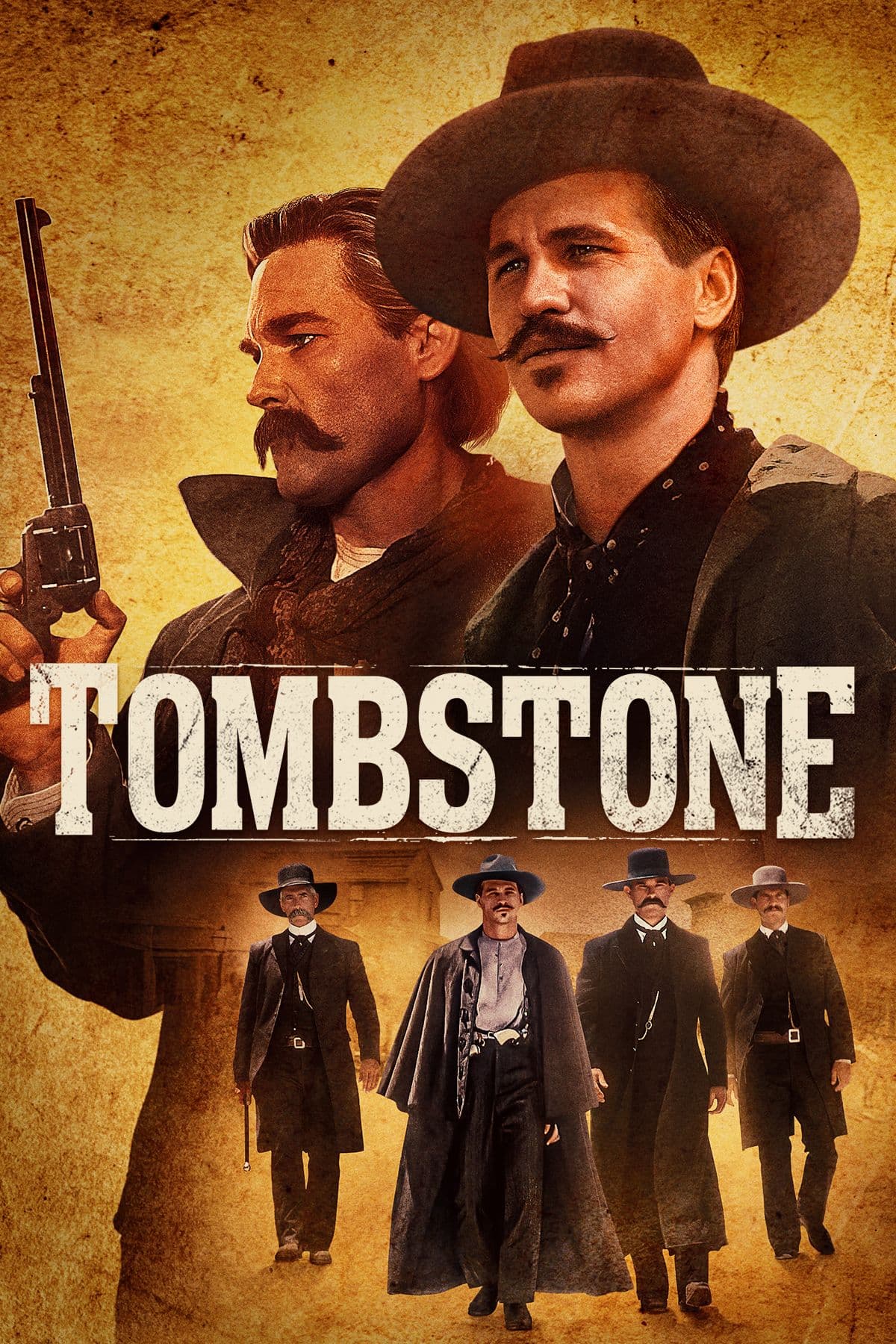
Tombstone
Friendship, gunfights and a film that turns frontier legend into loud, living drama.
// The setup
PLAYBACK STARTED
Tombstone is the kind of Western that walks into a saloon and refuses to whisper. George P. Cosmatos’s 1993 retelling parks Wyatt Earp and his brothers in a boomtown, throws in Doc Holliday as a combustible ally, and watches mythmaking happen in fast cuts and slower, meaner conversations. It’s loud, affectionate and still fun to argue about.
THE MOVIE
Wyatt Earp is still the reason this movie works
If you remember anything from Tombstone it’s likely the image of Wyatt Earp trying to live a quieter life, and failing at it because his town — and his family — keep needing him. That tug between domestic calm and old skills is the engine here: Wyatt and his brothers come to Tombstone to run a gambling business and, for a moment, look like men trying to settle down.
Of course, peace is not the era’s strong suit. An escalating feud with the Cowboys forces the Earps back into violence, and it’s that push-and-pull that propels the film toward its famous confrontation at the O.K. Corral. The movie is plainly interested in how frontier events harden into stories — how a rowdy, dangerous moment becomes a clean legend.
George P. Cosmatos directs a two-hour-plus Western populated with familiar faces — Kurt Russell as Wyatt and Val Kilmer as Doc Holliday — and the film wears its genres openly: history, biography and plain old Western drama. It’s a movie built around characters who can be made into legend, and around the messy choices that get them there.
THE SETUP
The idea that sets Tombstone in motion
Tombstone’s plot is deceptively straightforward: the Earps arrive in town hoping to trade on a quieter life and a business, but the social chemistry of a boomtown makes that difficult. There’s money, tension and people who prefer lawlessness to civility.
Into that pressure cooker comes a group called the Cowboys. Their escalating feud with the Earps — figures like Ike Clanton, Curly Bill and Johnny Ringo among them — is the obvious external threat, the sort of outlaw antagonism that turns a drifting drama into a showdown movie.
What keeps the story from being just a diary of gunfights is the presence of Doc Holliday: a consumptive gambler who becomes Wyatt’s closest ally. The screen treats Doc not as decoration but as a moral and personal counterpoint to Wyatt’s attempt at respectability.
All of this builds toward the O.K. Corral sequence, which the screenplay positions as the central turning point — the scene the rest of the film is circling, and the one that makes the myth.
THE CHARACTER
Why Wyatt Earp matters
Wyatt Earp matters here because he’s the balancing act. The film presents him as a retired lawman who wants civility — a man who sets up shop in Tombstone to run a gambling business and, frankly, try to be ordinary. That desire for quiet is constantly undercut by threats to his family and town.
The presence of his brothers — Virgil and Morgan — is crucial. They’re not a chorus: their different temperaments give Wyatt choices to make, and those choices define the family’s response to the growing violence. The Earp clan, in other words, supplies the movie’s practical and emotional stakes.
Josephine Marcus enters as a contrast: an itinerant actress who signifies a possible life beyond the frontier’s rough edges. Her role highlights the tension between frontier impulses and the pull toward a more civil society.
Put simply, Wyatt isn’t just the man who draws the gun. He’s the character the film uses to ask whether a person can step away from violence, and what happens when the world won’t let them.
THE PERFORMANCE
Why Kurt Russell's performance matters
Contemporary reviewers singled out Kurt Russell’s central presence as one of the film’s anchors. He’s the linchpin: the movie asks us to believe Wyatt as a weary lawman trying to settle, and the critical conversation at the time noticed that Russell gives the role a steady point of contact for the audience.
Beyond presence, reviewers also flagged his quotable lines as part of how the character registers. In a movie that leans into memorable exchanges, having a lead who can routinely land a line matters — it’s how Wyatt’s decisions and motivations register in the noise of shootouts and speeches.
That steadiness is important because the film’s emotional peaks often depend on the people around him — his brothers, Josephine, Doc. Russell’s role is to hold the centre while the story crowds him with chaos.
So when the film asks the audience to care about law, loyalty and the cost of retribution, it’s Russell’s Wyatt who carries those questions where the plot cannot.
UNDER THE SURFACE
Tombstone has more on its mind than the plot suggests
On the surface Tombstone is a drama about a town, a gang and a showdown. Underneath, it’s asking who gets to turn violence into legend. The film pays attention to mythmaking — how a messy, human event is cleaned up and retold as a heroic story.
That question ties directly into law versus vigilantism. The Earps’ attempt to impose order keeps brushing against personal retribution. The movie doesn’t hand you a neat moral verdict; it stages the tension and lets the consequences land.
Loyalty and friendship are the emotional currency. Wyatt and Doc Holliday’s relationship is repeatedly foregrounded: Doc’s presence makes the question of how far you’ll go for a friend suddenly intimate and costly.
Mortality undercuts all of it. Doc’s illness and the film’s attention to death remind the audience that beneath the theatricality of gunfights there’s a real human cost. That keeps the legend from feeling entirely escapist.
THE FILMMAKING
How Tombstone was put together
Tombstone’s production wasn’t entirely tidy. Reporting and later accounts note a change in directorship early in shooting, followed by reshoots and on-set tension. That behind-the-scenes reshuffling left fingerprints on the final cut: some scenes were reportedly revisited under new direction.
You can hear that in the film’s energy. There’s a sense of a big studio Western that wants both broad crowd moments and smaller character beats, and the production decisions reflect attempts to balance those aims.
Those reshuffles matter because they shape tone. A movie juggling mythmaking and character work needs a consistent directorial hand; when that hand changes partway through, the result can feel like two intentions trying to be one.
Still, whatever the headaches, the film coheres enough to carry its story: a testament to the production’s determination to finish the picture despite early disruption.
PRACTICAL EFFECTS
The effects work that gives Tombstone its physical personality
When Tombstone needs to make gunfights feel immediate, it does it the old-fashioned way: with armourers, stunt teams and careful close-quarters choreography. The production employed professionals to prepare and maintain period firearms so that repeated takes could be filmed safely.
Those same teams handled blanks, loading and firearm safety between takes, which allowed the film to stage compact, physical shootouts without relying on trickery. The result is a series of sequences that feel tactile — people moving, guns handled, fights falling apart in a believable way.
Practical stunt work anchors the film’s more explosive moments, giving the choreography a grounded rhythm. You sense the effort behind each beat: it’s not simply digital polish but hands-on craft.
Put another way, the movie’s physical personality comes from practical professionals making sure the action reads as real on screen.
PURE 80S
Tombstone could not belong to any other decade
Tombstone reached cinemas at Christmas 1993, during a brief early-1990s renewed appetite for mainstream Westerns. That revival wasn’t a nostalgia act so much as studios recognising there was room again for large-scale treatments of frontier stories after recent successes.
Its release sits close to another big Wyatt Earp film: Lawrence Kasdan’s Wyatt Earp premiered roughly six months later, meaning two major takes on the same material arrived in quick succession. That pair of releases underlines the period’s willingness to revisit American frontier history on a grand scale.
The film’s studio backing — Hollywood Pictures and Cinergi — is part of that picture: mainstream finance and distribution made room for genre pictures that mixed history with spectacle.
All told, Tombstone exemplifies an early-90s moment when blood-and-honour Westerns could still be packaged for a wide audience and given big theatrical runs.
WATCHING IT NOW
What has aged — and what hasn't
Tombstone has quietly built a steady audience over the years. It’s been reissued in home-video restorations and high-definition packages, which is a sign that people keep wanting to revisit it rather than letting it disappear.
What endures is the film’s central relationship and the way it stages loyalty: the friendship between Wyatt and Doc, and the family ties among the Earps, still give the movie an emotional charge that survives repeat viewings.
Where some elements feel more period-specific is in the film’s theatricality — its showy dialogue and emphatic moments were very much a product of early-90s crowd-pleasing filmmaking. For many viewers that’s part of the charm; for others it can feel knowingly staged.
Overall, the movie’s continued availability and the attention it receives in restorations suggest it still has an audience that finds something to love in its mixture of legend and brotherhood.
THE LEGACY
Why Tombstone still matters
Tombstone’s staying power is partly practical: it was a commercial success on release and remains one of the better-known modern Westerns from the 1990s. That presence in public memory keeps it in circulation.
Critically and in genre circles, the film often appears in lists of notable modern Westerns; it’s a handy example of the 1990s Western revival and is frequently included in discussions about that moment.
The fact it’s been reissued in restored home-video editions — including high-definition packages — says people still want to watch it and that distributors think it deserves preservation.
Put simply, Tombstone matters because it captures a particular blend of mythmaking, macho spectacle and character dynamics that audiences and critics continue to return to.
THE VERDICT
Does Tombstone still hold up?
Yes — with a clear asterisk. Tombstone remains entertaining and watchable because it commits to its central figures: Wyatt Earp arriving to try a quieter life, the Cowboys making trouble, and Doc Holliday as the combustible ally who raises the stakes. The O.K. Corral sequence still lands as the film’s intended pivot.
The movie’s framing — an older Wyatt narrating parts of the story — gives a sense of perspective that helps knit episodic scenes together and remind viewers that these are retold events, not raw reportage. That framing suits a film interested in legend as much as fact.
Tombstone’s practical craftsmanship matters too: the armourers and stunt teams who prepared and maintained period firearms and staged close-quarters choreography give the action a tangible feel. When the film needs to look physical, it often does.
So should you watch it? If you enjoy Westerns that favour character relationships, showy dialogue and a taste for old-fashioned showdowns, Tombstone is still worth your time. It’s a movie about making myths — and it’s loudly, unapologetically one of its own.
Share this movie
// Keep watching
More movies from the 90s
If Tombstone is your kind of movie, there's plenty more on the shelves worth rewinding.
1993 // VHS
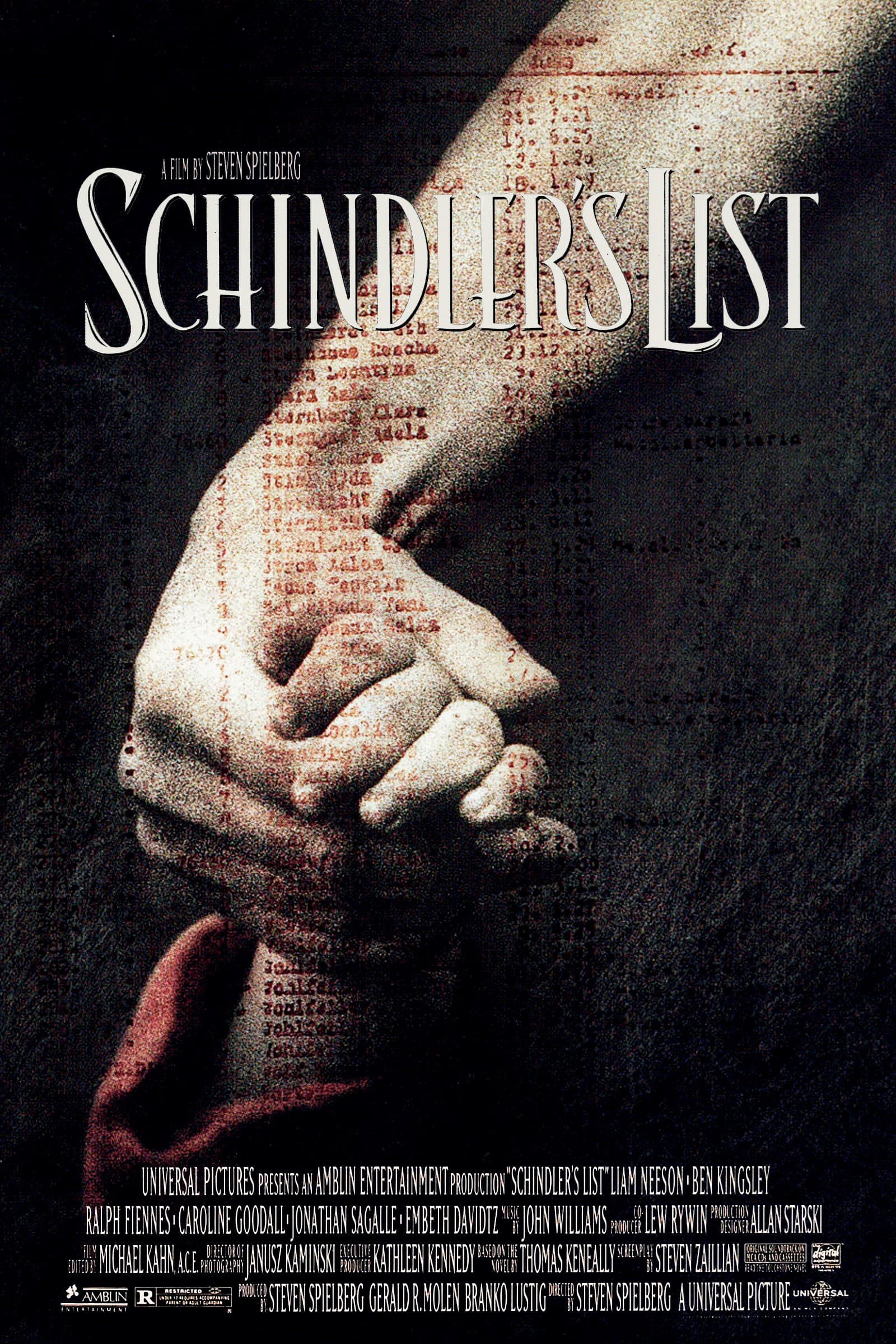
Schindler's List
A businessman who keeps a list — and keeps changing the kind of man he is.
1999 // VHS
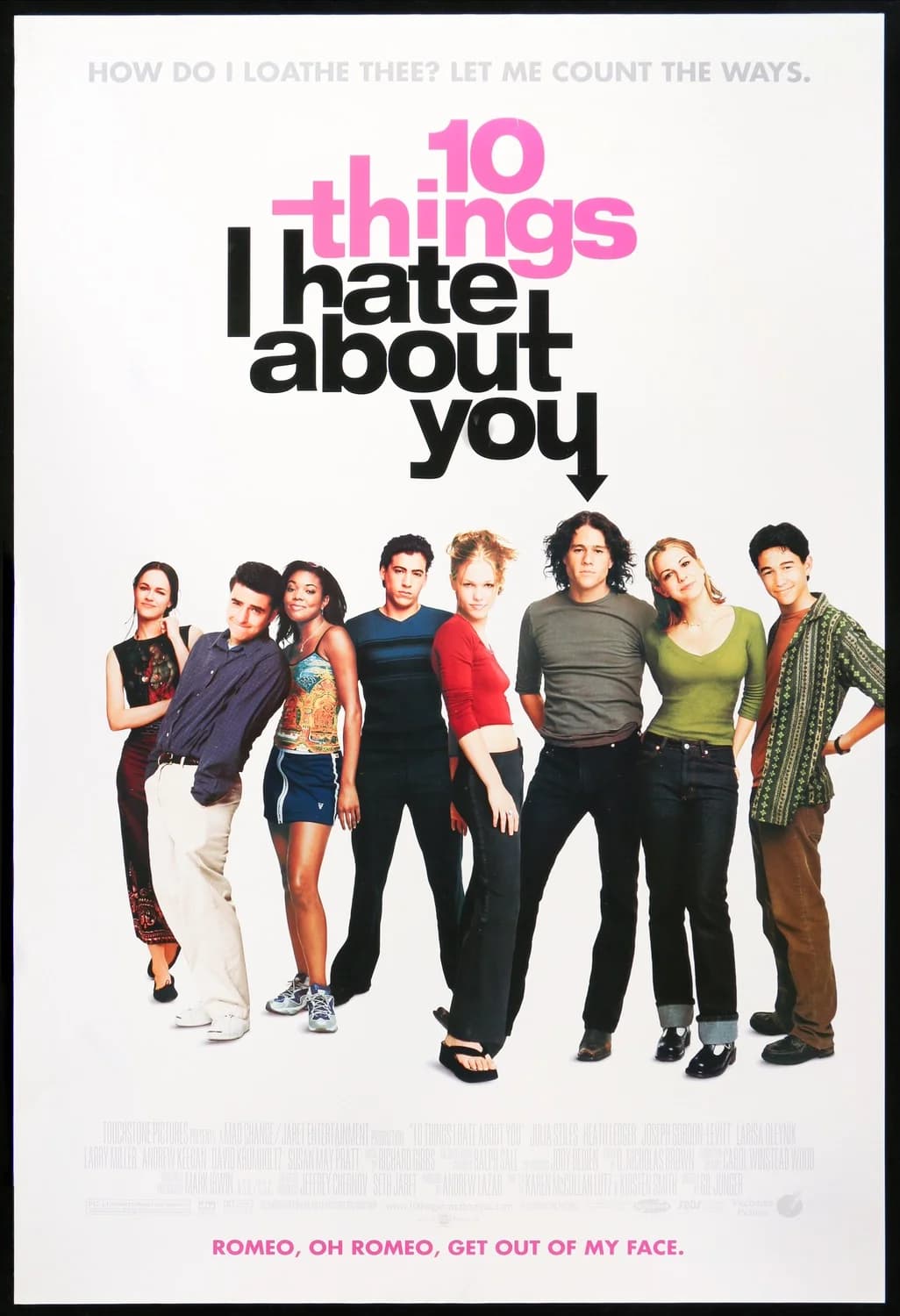
10 Things I Hate About You
Sibling rules, a rooftop serenade and one very stubborn Kat — Shakespeare in a school corridor.
1999 // VHS
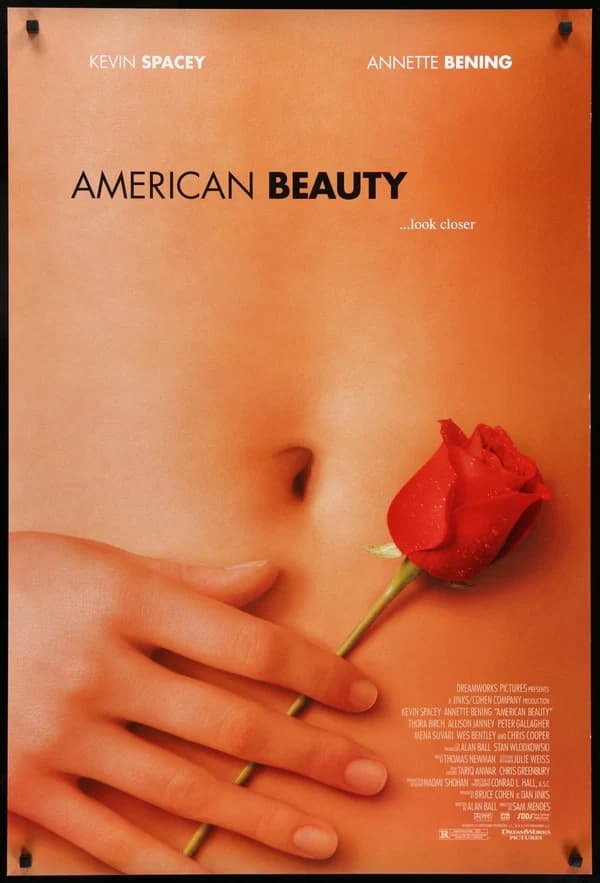
American Beauty
Lester Burnham, suburban rot and a midlife argument that still stings.